Virginia’s weak weed tax plan  

The flat eight percent tax in Virginia’s cannabis legalization proposal is primitive and weak.  The cannabis industry must be delighted.    

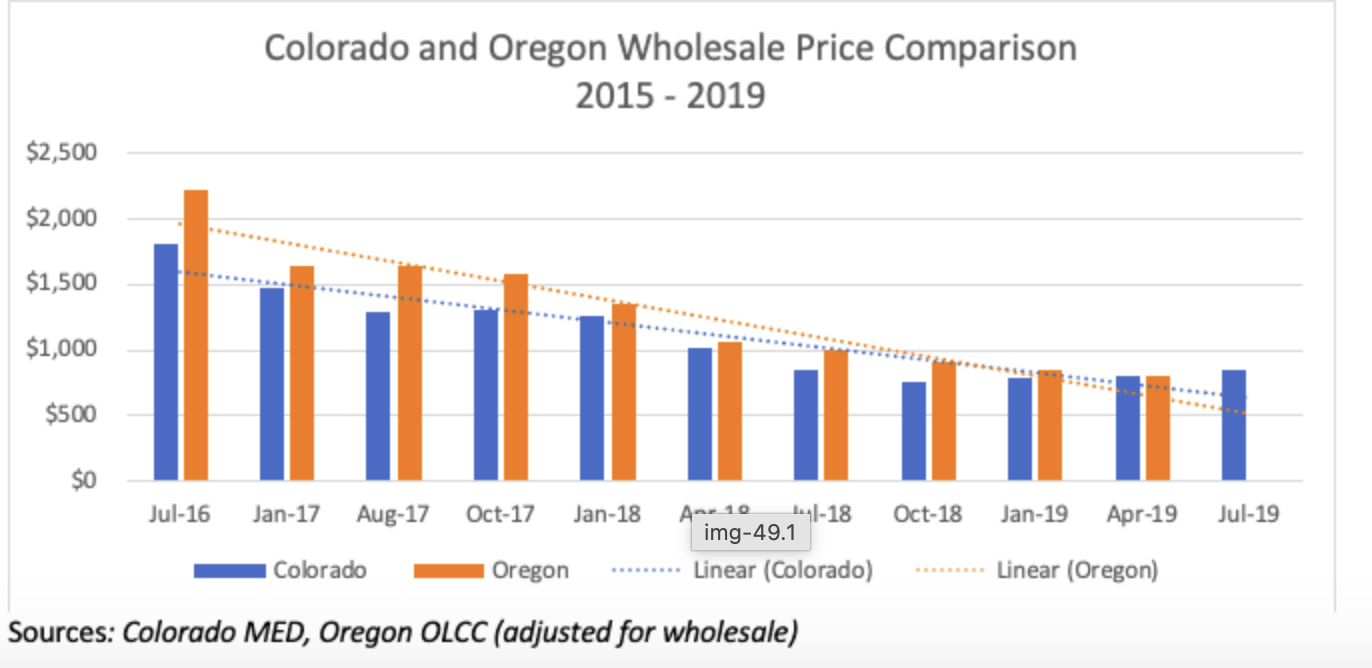
Problem:  Under the Virginia proposal, when the price is $200 an ounce, the state gets $16; when the price is $100 an ounce, the state gets $8.   But taxes need to go up over time.  Think tanks left (ITEP) and right (Tax Foundation) agree.  Pre-tax prices will be high at first, then they’ll crash.  (In every state, the market matures, and industry gets more efficient.)  

Let taxes go up:  The after-tax price is what matters in battling the black market. 

Weak solution:  New Mexico ratchets up its 12 percent price tax to 18 percent by 2030, and the leading Congressional legalization bill ratchet ups from 5 percent to 8 percent.

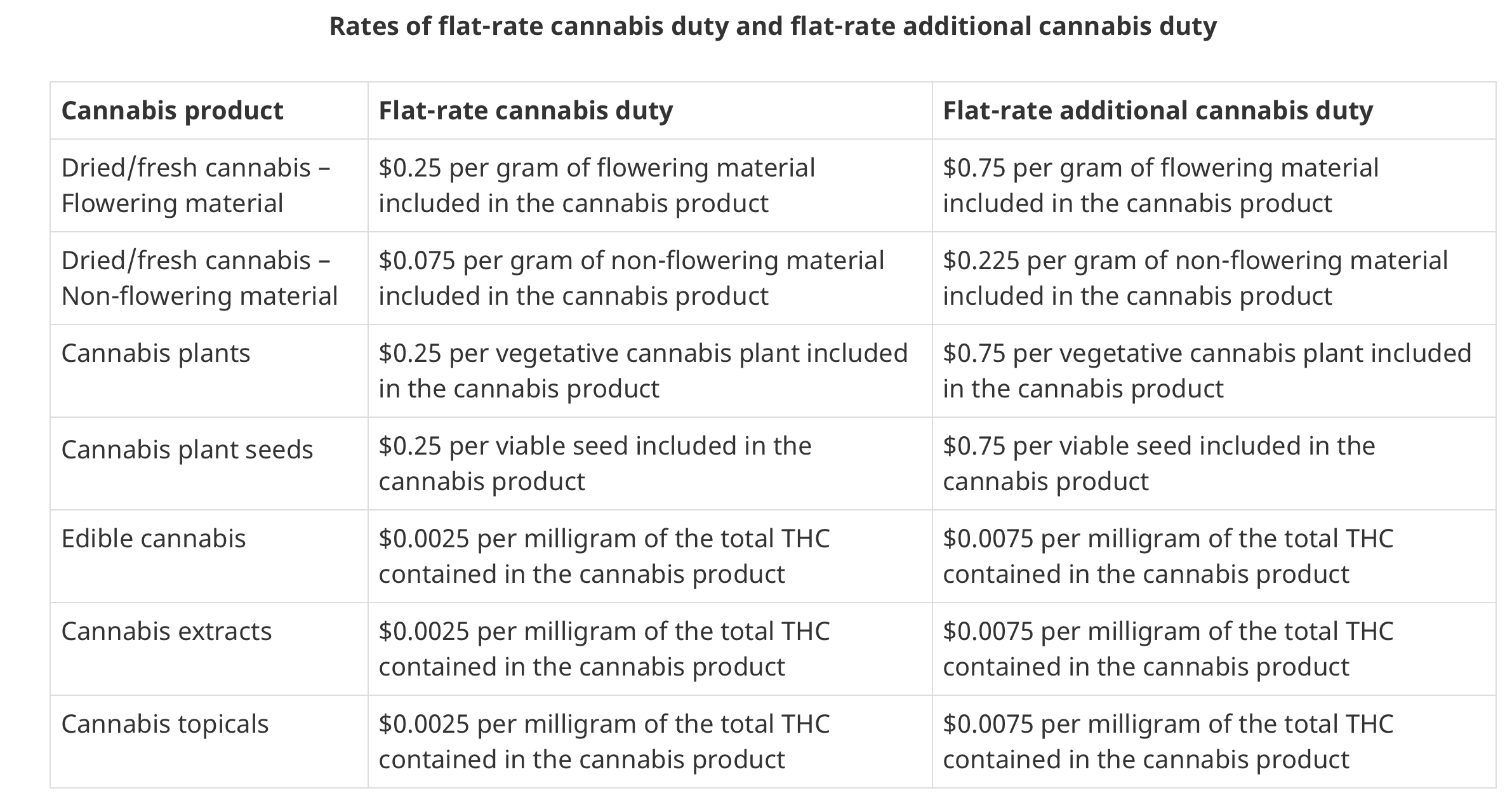
Strong solution:  Tax by grams of THC, the intoxicating molecule.  That’s state of the art, and what Canada and Connecticut do.  Then when prices collapse, the tax doesn’t collapse, too.

+++

Taxes are the caboose on the train of legalization, and they don’t get much attention.  

Licensing and Revenue: For the Market Structure Subcommittee of North Carolina Cannabis Advisory Council 

Question #3 of our seven “Policy Questions” is about “how the state issues licenses (e.g., through a lottery or competitive application process).”

Reasonable minds can differ.  Here’s some speculation.  

There are trade-offs.  One factor among very many is how licensing affects timing and amount of revenue needed to regulate the market.  (Maybe revenue is the caboose on the train of regulation, and cash flow is the taillight on the caboose, but you have to start somewhere.)

Cannabis can bring in government revenue to pay for the regulation that legalization entails– but unluckily, not at first.  So the market starts off chaotically if appropriators and agencies don’t pre-fund cannabis regulation adequately somehow.  Bad for folks in the market.  Bad for the public.  

No answers, but here are some sticks to throw on the fire – options for licensing – ranked according to earliness of cash flow.  But see three undesirable Downsides to this approach at the end. 

Options

1.     Application fees for limited licenses 

Continue reading “Licensing and Revenue: For the Market Structure Subcommittee of North Carolina Cannabis Advisory Council “

North Carolina Cannabis Advisory Council questions

MARKET STRUCTURE SUBCOMITTEE

Policy Questions

  • Do you recommend a vertically integrated model (i.e., a single company controlling the process from seed to sale)? If so, do you have recommendations on what size or level?
  • Do you recommend the state includes existing CBD and hemp retail entities in this new regulation model?
  • Do you have any recommendations on how the state issue licenses (i.e., through a lottery or competitive application process)?
  • Do you recommend the state limits the number of licenses available?
  • Should there be a residency requirement for licensees?
  • Should there be a capital requirement for licensees?
  • Do you recommend any social equity provisions, such as license prioritization, fee waivers, or business support programs?